Before
Easy-to-digest carbs, sodium, and fluids so you start topped off.
Fuel your long sessions cleanly
Gluten-free, seed-oil-free, no-refined-sugar recipes for before, during, and after workouts—with calories, carbs, sodium, potassium, and practical fueling notes.
Carbs per hour calculator
Endurance fueling is personal, but most athletes do better with a clear range to practice. Enter your workout details and use the result as a training starting point—not a race-day surprise.
General sports nutrition guidance commonly starts around 30–60g carbs per hour for exercise beyond 60–70 minutes, with higher intakes practiced for longer or harder events.
Built for the sport
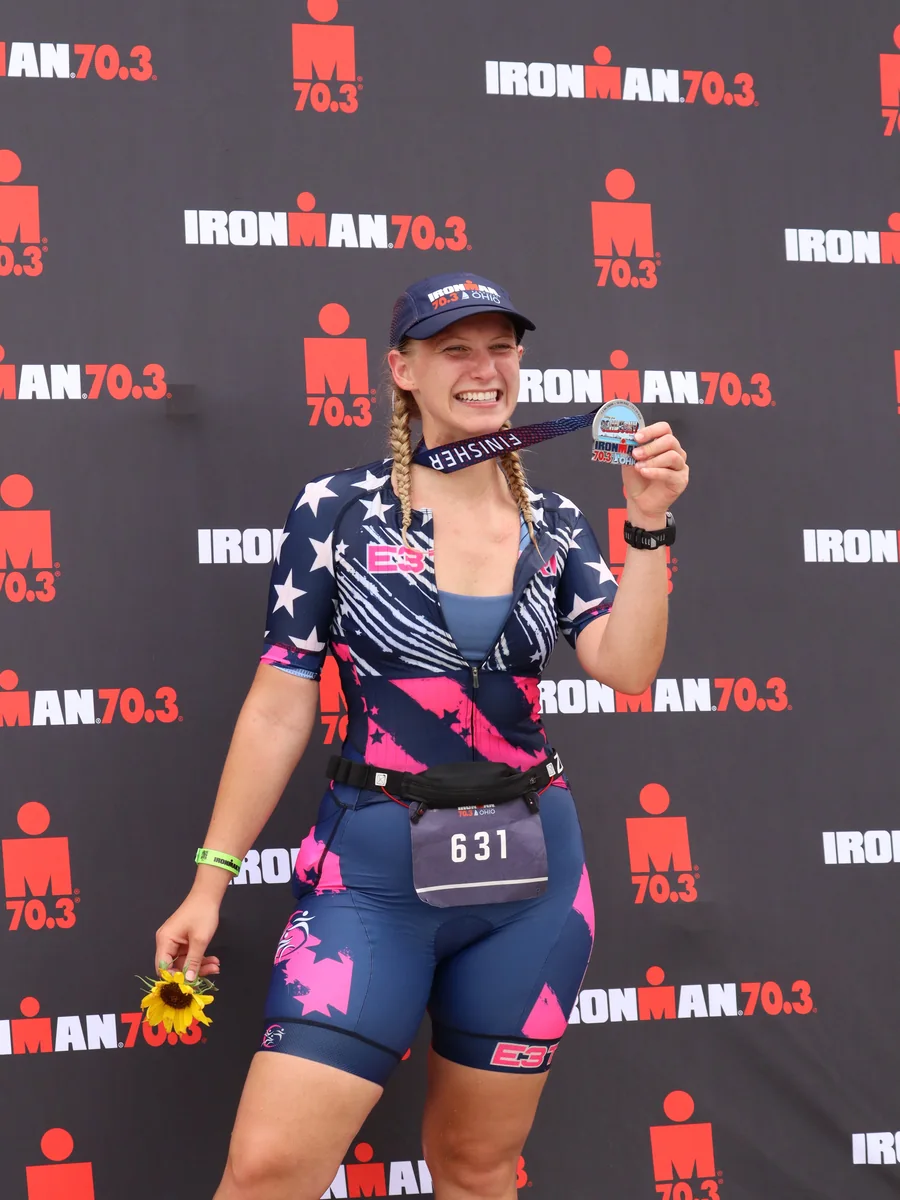
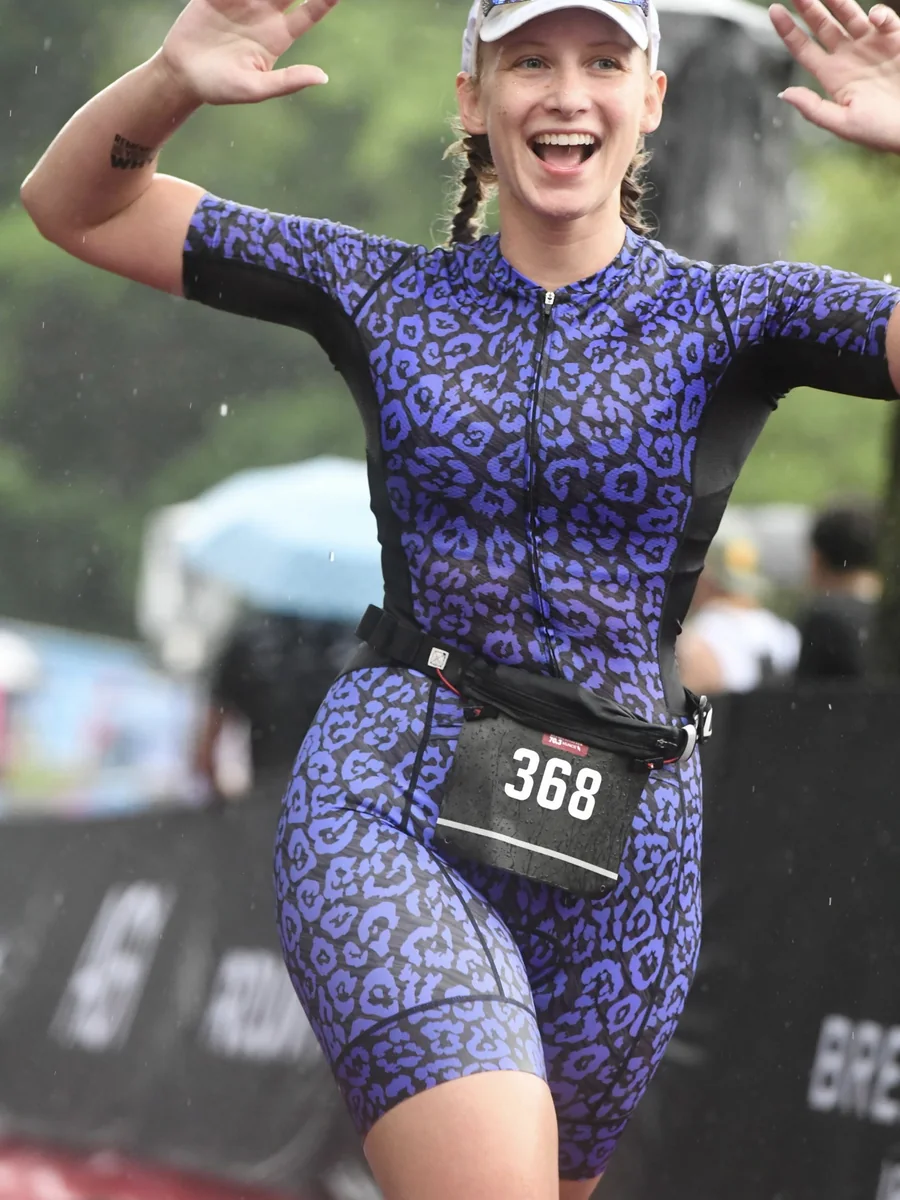
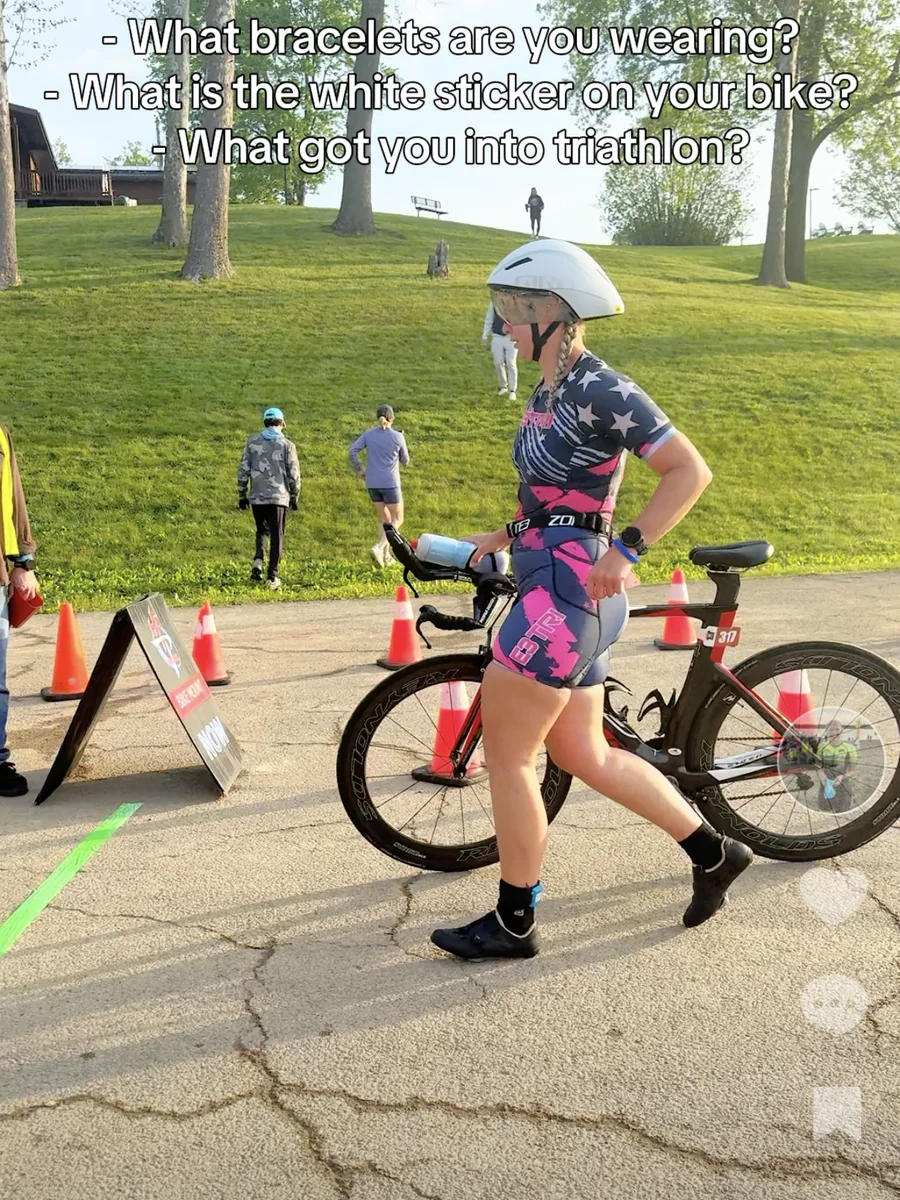
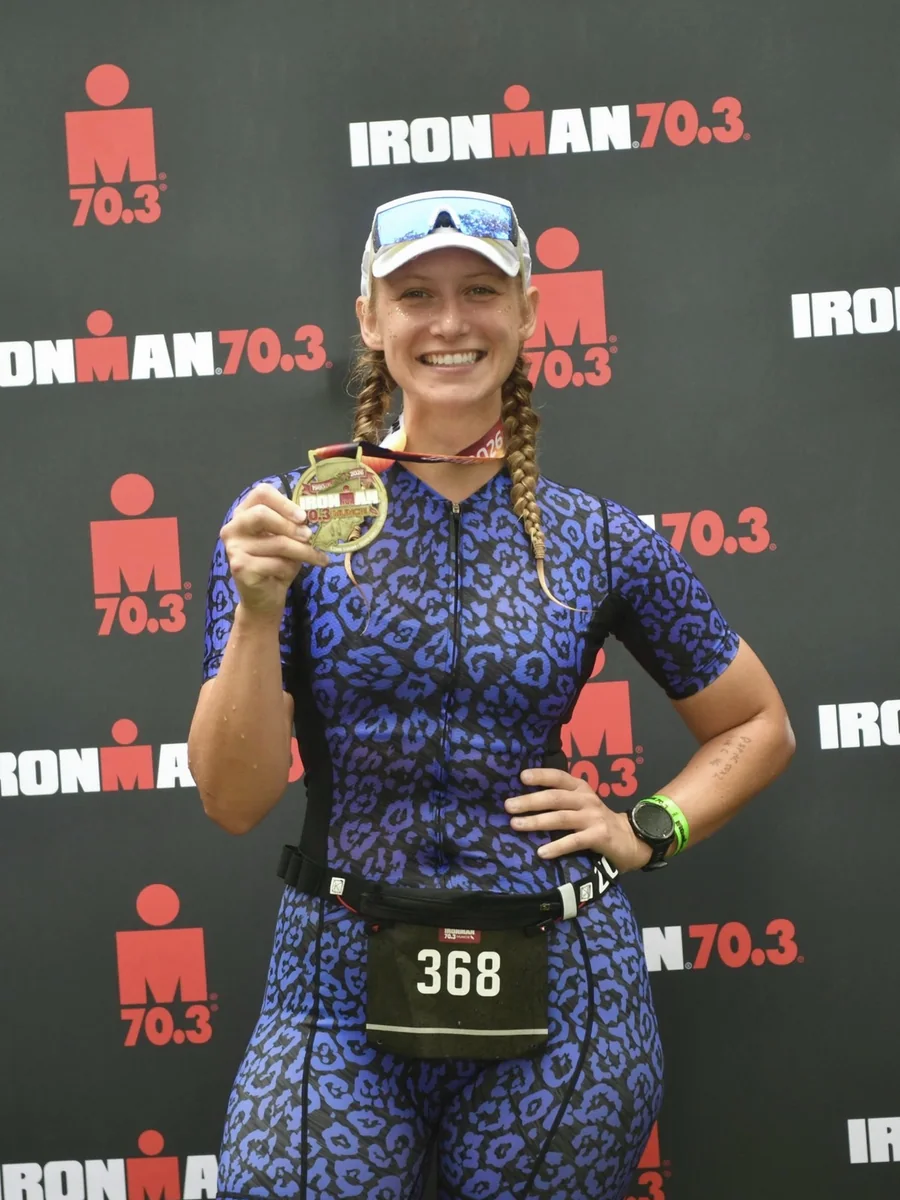
The site now leans into real triathlon energy: race mornings, long rides, finish lines, and the tiny decisions that keep an athlete moving when the session gets honest.
What this is
Easy-to-digest carbs, sodium, and fluids so you start topped off.
Homemade bottles, bites, gels, and chews for long rides and runs.
Recovery meals with carbs, protein, minerals, and real ingredients.
Simple notes help athletes train their gut before race day.
Inside each recipe
Each recipe shows estimated carbs per serving so athletes can stack fuel intentionally.
Electrolyte estimates for hot, sweaty, or long sessions.
Whole-food mineral support from coconut water, fruit, potatoes, and more.
Built without gluten-containing grains or additives.
Real-food fats like avocado, butter, ghee, coconut, and olive oil.
Notes for texture, flavor, tolerance, heat, and race-day practice.
Recipe cards include placeholders for your future photos and videos.
Starter recipe library
Nutrition estimates per serving
The recipes here are original starter concepts. Exact nutrition depends on brands, measurements, and serving size.
Fuel formats
Build a bottle for the bike, a soft bite for a long ride, a gentle pre-run smoothie, or a recovery bowl that actually feels like food.
Coconut water, fruit purée, maple, honey, citrus, and salt.
Date, banana, maple, and sea salt blends for flasks.
Rice cakes, date bites, salted potatoes, and soft bars.
Simple carbs with low fiber when digestion needs to be calm.
Carbs plus protein to replenish, repair, and get ready for the next session.
Coming next
Keep the $8.99/month structure if you want: subscribers can receive weekly recipe drops, long-session bottle formulas, grocery lists, macro breakdowns, and race-prep fuel practice notes.
“The goal is fuel that performs well and still feels like food.”
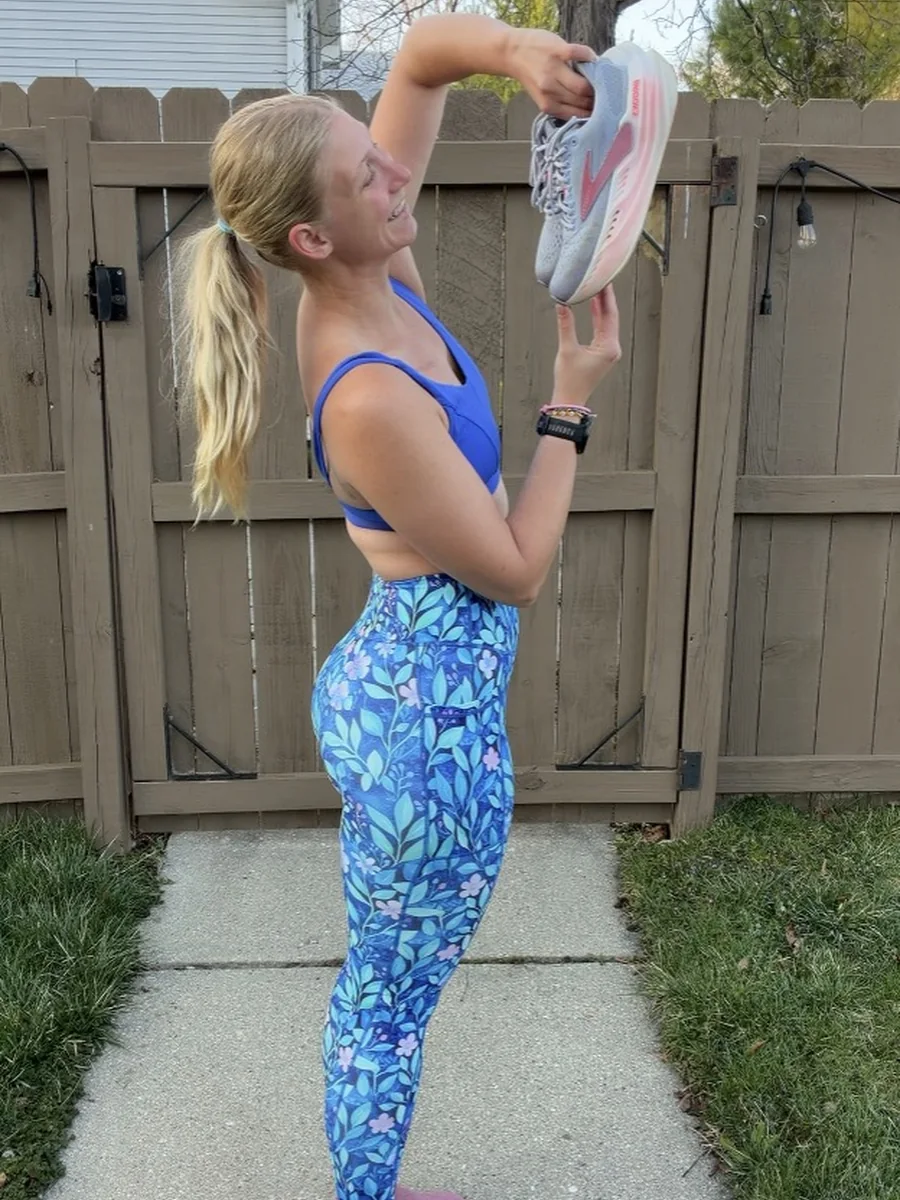
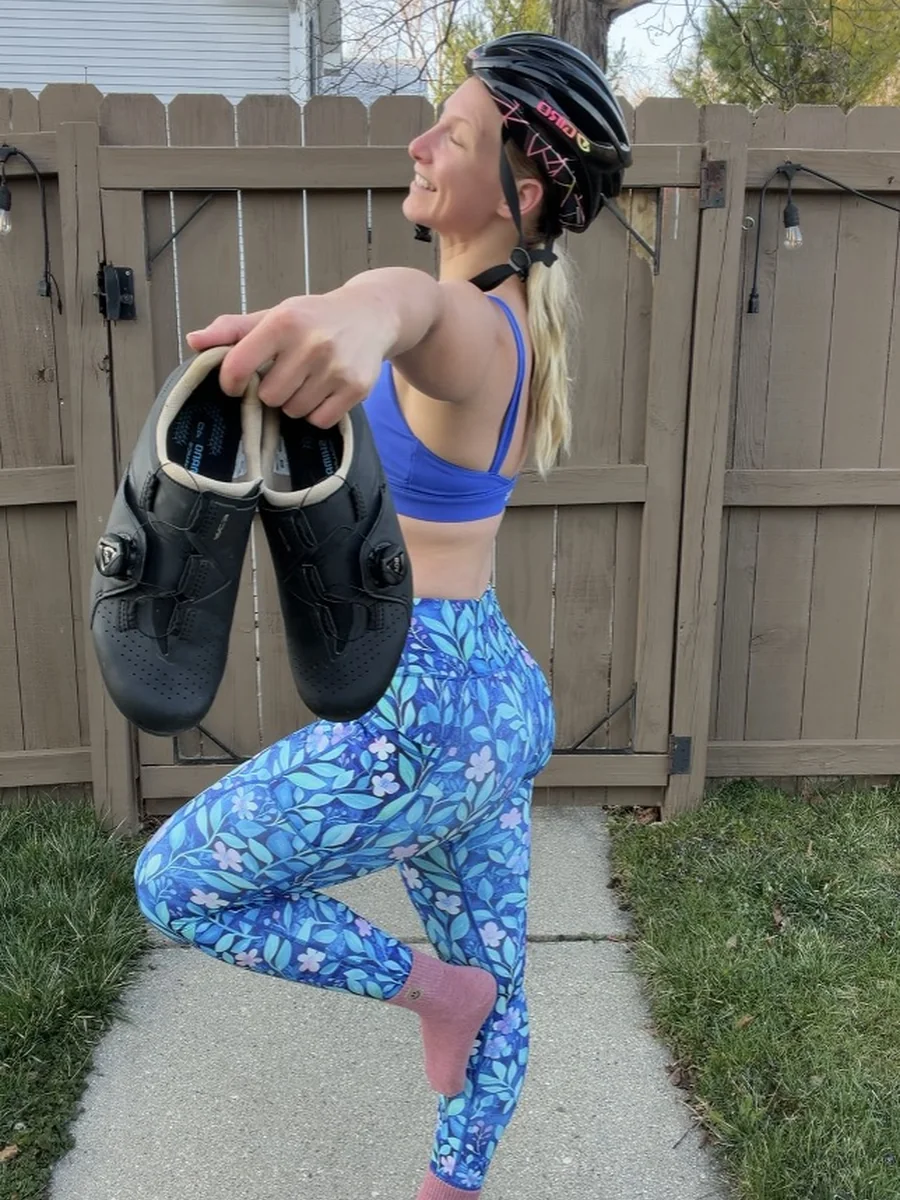
The Clean Prep Hour Athlete Fuel
Payment link placeholder for now.
Lead magnet
Offer a sample PDF with three homemade bottle recipes, sodium notes, and a printable workout fueling chart.
A note from Melanie
I built this because I wanted clean, practical fueling options that fit the way I actually eat: gluten-free, seed-oil-free, no refined sugar, and focused on real ingredients.
Sports nutrition can feel either ultra-processed or wildly vague. The Clean Prep Hour is meant to sit in the middle: simple homemade fuel, useful numbers, and enough structure to practice before race day.
Melanie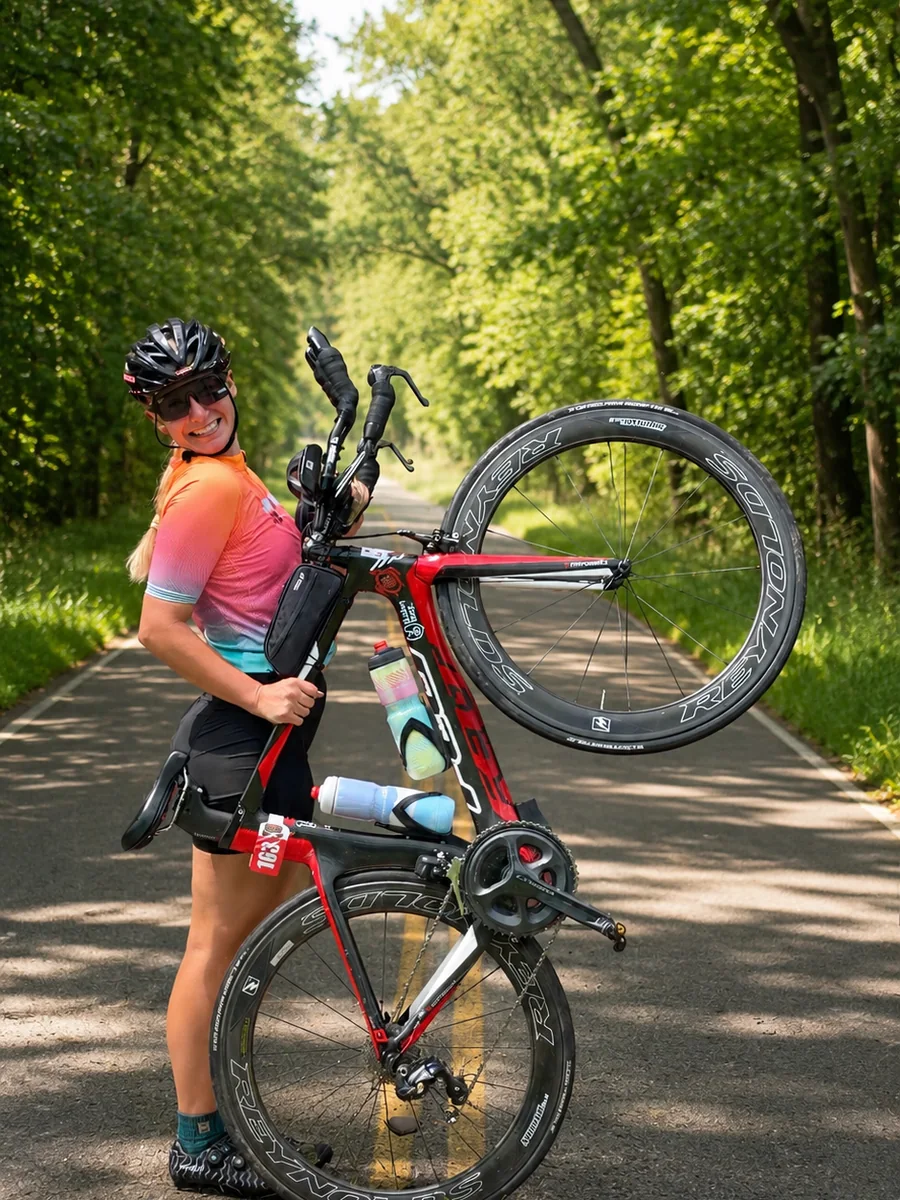
Good to know
For endurance fuel, the site avoids refined and processed sugar but still uses performance carbohydrates from fruit, coconut water, maple syrup, honey, dates, rice, potatoes, and similar real-food sources.
Yes. The recipes are designed without gluten or industrial seed oils. Always verify individual packaged ingredients if cross-contact matters for you.
They are estimates based on typical ingredients and serving sizes. Final published recipes should be recalculated with exact brands and measurements.
It depends on duration, intensity, size, gut tolerance, and race goals. Many athletes start around 30–60g/hour for longer sessions and practice higher intakes for longer or harder events.
Sodium needs vary dramatically by sweat rate, heat, and how salty your sweat is. The calculator gives a starting range, but real-world testing matters.
Only after practicing in training. Nothing new on race day, especially with homemade fuel.
Some links may be affiliate links, which means I may earn a small commission at no extra cost to you.
No. It is general education for healthy athletes. Work with a qualified sports dietitian or clinician for personalized needs.
Not ready just yet?
Get occasional clean fueling ideas, recipe drops, and launch notes.